
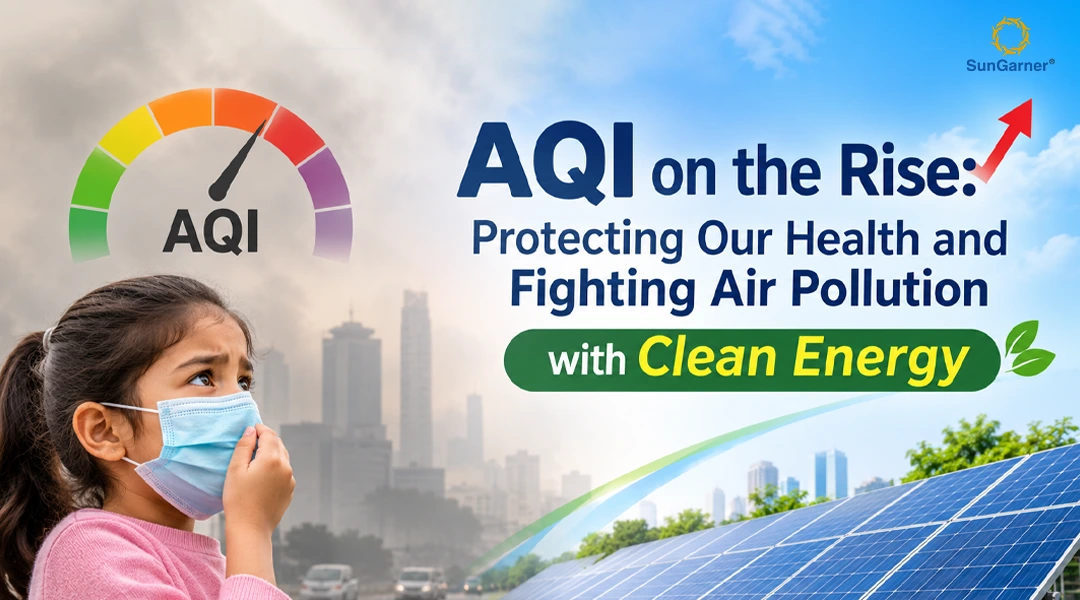
AQI on the Rise: Protecting Our Health and Fighting Air Pollution with Clean Energy
Air pollution has become one of the most pressing environmental and public health challenges of our time. Across several Indian cities, deteriorating air quality, rising particulate matter concentrations and persistent smog have made breathing clean air an everyday concern. As winter approaches, the situation often becomes more challenging due to changing weather conditions, reduced atmospheric dispersion and multiple sources of pollution.
From Delhi-NCR to other rapidly urbanising regions, rising Air Quality Index (AQI) levels highlight the urgent need to rethink how we generate energy, operate industries, travel and manage our environment.
Delhi experienced consistently poor to very poor air quality between 7 and 15 November 2026, with daily AQI readings fluctuating between 290 and 376. On 13 November, the AQI reached 373, indicating very poor air quality. Although conditions improved to 290 on 15 November, pollution levels remained a concern. On 16 November, Delhi's AQI improved further to 216 at 7 AM, placing it in the poor category and offering some temporary relief. However, neighbouring NCR cities, including Noida, Ghaziabad and Gurugram, also continued to report elevated pollution levels.
These readings highlight the growing urgency of adopting sustainable practices and transitioning towards cleaner energy alternatives.
While immediate protective measures can help reduce individual exposure to polluted air, lasting improvements require collective action and long-term solutions. Transitioning towards cleaner energy sources, including solar power and other renewable technologies, can help reduce dependence on conventional fossil fuels and support a healthier environment.
Understanding the causes of air pollution, its impact on human health and the solutions available is an important first step towards building a cleaner and more sustainable future.
Understanding AQI: What Does the Air Quality Index Tell Us?
The Air Quality Index (AQI) is a standardised measurement used to communicate the quality of the surrounding air and its potential impact on human health. It converts complex air pollution data into an easy-to-understand numerical value, helping people assess air quality and make informed decisions about outdoor activities and exposure.
In India, the Central Pollution Control Board (CPCB) monitors several air pollutants that contribute to the AQI, including:
- PM2.5: Fine particulate matter with a diameter of 2.5 micrometres or smaller. These particles can penetrate deep into the lungs and may enter the bloodstream.
- PM10: Inhalable particulate matter associated with road dust, construction activities and other sources.
- Nitrogen Dioxide (NO₂): A gas primarily associated with fuel combustion, vehicle emissions and industrial activities.
- Sulphur Dioxide (SO₂): A pollutant released mainly through the burning of sulphur-containing fuels.
- Carbon Monoxide (CO): A harmful gas produced by the incomplete combustion of fuels.
- Ground-Level Ozone (O₃): A secondary pollutant formed through chemical reactions involving sunlight and other pollutants.
Monitoring these pollutants helps authorities assess air quality and communicate the potential health risks associated with pollution.
Understanding India's AQI Categories
India's AQI framework classifies air quality into six categories:
|
AQI Range |
Category |
General Health Impact |
|
0–50 |
Good |
Minimal impact |
|
51–100 |
Satisfactory |
Minor breathing discomfort to sensitive individuals |
|
101–200 |
Moderate |
Breathing discomfort for people with lung diseases, asthma, children and older adults |
|
201–300 |
Poor |
Breathing discomfort on prolonged exposure |
|
301–400 |
Very Poor |
Respiratory illness risk increases with prolonged exposure |
|
401–500 |
Severe |
Significant health effects, including among healthy individuals |
A higher AQI indicates greater air pollution and the need for increased precautions. Regularly checking AQI reports can help individuals plan outdoor activities and take appropriate steps to minimise exposure.
Why Is Air Pollution Increasing in India?
Air pollution is not caused by a single activity. It results from a combination of industrial emissions, transportation, energy generation, construction, agricultural practices and household activities.
Several factors contribute to deteriorating air quality across Indian cities.
1. Vehicular Emissions
The growing number of petrol and diesel-powered vehicles contributes significantly to urban air pollution. Cars, buses, trucks and two-wheelers release nitrogen oxides, carbon monoxide and particulate matter into the atmosphere.
Traffic congestion and frequent stop-and-go driving can further increase emissions, particularly in densely populated urban areas. The concentration of vehicles on busy roads makes transportation-related pollution a major concern for many cities.
2. Industrial Emissions and Fossil Fuel Consumption
Many industries depend on conventional energy sources such as coal, diesel and natural gas to operate machinery, boilers and manufacturing facilities.
The combustion of fossil fuels can release particulate matter, sulphur dioxide, nitrogen oxides and other pollutants. Industrial emissions can therefore contribute to poor air quality, particularly in manufacturing clusters and industrial regions.
Improving industrial energy efficiency and adopting cleaner energy alternatives can help reduce dependence on high-emission energy sources.
3. Coal-Based Electricity Generation
Conventional thermal power generation relies heavily on fossil fuels, particularly coal. Although electricity is essential for economic development and modern infrastructure, coal combustion produces air pollutants as well as greenhouse gas emissions.
Reducing dependence on high-emission energy sources and accelerating the adoption of renewable electricity are important components of a long-term clean-air strategy.
4. Construction and Road Dust
Rapid infrastructure development, construction activities, demolition work and poorly maintained roads can release significant quantities of dust into the atmosphere.
PM10 concentrations are particularly influenced by dust-generating activities. Without effective dust suppression, proper covering of construction materials and responsible waste management, these particles can remain suspended in the air and affect local air quality.
5. Agricultural Residue and Waste Burning
Open burning of agricultural residue, municipal waste and other combustible materials releases smoke, fine particulate matter and harmful gases.
During certain seasons, agricultural residue burning can contribute to regional air pollution, particularly across parts of northern India. Open waste burning also adds to the pollution burden in urban and semi-urban areas.
6. Household Fuel Consumption
The burning of wood, coal, kerosene and other traditional fuels for cooking and heating can contribute to both indoor and outdoor air pollution.
Access to cleaner household energy alternatives is therefore important not only for environmental sustainability but also for public health and improved living conditions.
How Does Rising AQI Affect Human Health?
Air pollution is more than an environmental issue; it is a serious public health concern that can affect people of different ages and health conditions.
According to the World Health Organization (WHO), exposure to polluted air is associated with several serious health conditions, including cardiovascular diseases, respiratory infections, stroke and lung cancer.
Some of the major health consequences include:
Respiratory Problems
Fine particulate matter can penetrate deep into the respiratory system. Exposure may cause coughing, throat irritation, wheezing and breathing difficulties, while also worsening existing respiratory conditions.
People with asthma and other lung diseases may be particularly vulnerable to poor air quality.
Cardiovascular Health Risks
Long-term exposure to air pollution has been linked to an increased risk of heart disease and stroke. Certain pollutants can contribute to inflammation and other harmful effects on the cardiovascular system.
Impact on Children and Older Adults
Children's respiratory systems are still developing, making them particularly vulnerable to poor air quality. Older adults and people with existing health conditions may also experience more serious health effects.
Reduced Productivity and Quality of Life
Poor air quality can affect sleep, outdoor activities, exercise routines and workplace productivity. During severe pollution episodes, schools, offices and outdoor workplaces may need to adjust their activities to minimise exposure.
The effects of air pollution are not always immediately visible. Repeated or prolonged exposure can also create serious health risks over time.
The Role of Clean Energy in Fighting Air Pollution
Protecting people from polluted air requires more than temporary precautions. We must also address the activities responsible for releasing pollutants into the atmosphere.
One important approach is accelerating the transition from conventional fossil fuel-based energy towards cleaner and more sustainable energy sources.
Clean energy technologies, including solar and wind power, can help reduce emissions associated with electricity generation and support a more sustainable energy system.
1. Solar Energy: A Cleaner Way to Generate Electricity
Solar energy uses sunlight to generate electricity without fuel combustion during normal photovoltaic operation.
Unlike conventional coal-based power generation, solar photovoltaic systems do not produce direct combustion-related air pollutants while generating electricity.
Installing rooftop solar systems for residential, commercial and industrial applications can help reduce dependence on grid electricity generated from fossil fuels, depending on the electricity mix and actual energy consumption.
2. Reducing Dependence on Conventional Energy Sources
Businesses and industries require a reliable electricity supply to maintain their operations.
By adopting solar power, organisations can generate a portion of their electricity requirements through renewable sources. This can help reduce their reliance on conventional grid electricity and support efforts to lower their electricity-related environmental footprint.
3. Supporting Cleaner Industrial Operations
Industrial facilities are among the major consumers of electricity. Solar installations, energy-efficient equipment and Battery Energy Storage Systems (BESS) can support a gradual transition towards cleaner energy consumption.
Combining renewable energy generation with suitable storage and energy management solutions can improve the utilisation of clean electricity and help organisations optimise their energy requirements.
4. Battery Energy Storage Systems for Renewable Integration
Solar and wind energy generation depends on weather conditions and resource availability. Battery Energy Storage Systems (BESS) help store electricity generated during periods of renewable energy availability for use when generation is lower or demand increases.
BESS can support renewable energy integration, improve energy management and provide greater flexibility to electricity systems.
However, the overall environmental benefits of battery storage also depend on responsible battery manufacturing, material sourcing, recycling and end-of-life management.
5. Encouraging Sustainable Energy Choices
The transition towards clean energy is not limited to large power plants. Households, commercial buildings, factories and institutions can all contribute by adopting suitable renewable energy solutions.
Rooftop solar systems, energy-efficient appliances, battery storage and responsible electricity consumption are practical steps towards building a cleaner energy ecosystem.
How Solar Energy Can Make a Difference for Homes and Businesses
Solar power provides an opportunity to make electricity generation more sustainable at the point of consumption. Different users can adopt solar technologies according to their energy requirements, available space and operational needs.
Residential Solar Solutions
Homeowners can install rooftop solar systems to generate electricity from sunlight. These systems can help reduce dependence on conventional grid electricity and may lower electricity expenses, depending on system capacity, consumption patterns, applicable policies and available sunlight.
Residential solar can also help households participate in the wider transition towards renewable energy.
Commercial Solar Solutions
Offices, shopping complexes, educational institutions, hospitals and other commercial buildings often have substantial electricity requirements.
Commercial rooftop solar installations can help organisations manage energy costs while supporting their sustainability objectives. The system design depends on available rooftop space, electricity consumption and technical feasibility.
Industrial Solar Solutions
Factories and manufacturing facilities can explore rooftop or ground-mounted solar installations based on available space and electricity demand.
Solar power can contribute to a more diversified energy mix and help businesses work towards their environmental and operational goals.
Solar Energy with Battery Storage
Solar systems integrated with battery storage can provide additional flexibility by storing surplus electricity for later use.
This combination can be particularly useful where backup requirements, energy management and improved renewable electricity utilisation are important considerations.
The right solution depends on electricity consumption, site conditions, technical requirements, investment capacity and applicable regulations.
What Can Businesses and Industries Do to Reduce Their Environmental Impact?
Businesses have an important role to play in addressing air pollution because their energy consumption, manufacturing processes and operational activities influence environmental performance.
Organisations can consider the following measures:
- Adopt renewable electricity: Explore rooftop and ground-mounted solar installations wherever technically and commercially feasible.
- Improve energy efficiency: Upgrade inefficient machinery, lighting, motors and electrical systems to reduce unnecessary energy consumption.
- Evaluate battery storage: Assess BESS for energy management, renewable integration and suitable backup applications.
- Monitor energy consumption: Conduct energy audits and use monitoring systems to identify areas of unnecessary consumption.
- Reduce waste generation: Introduce responsible waste segregation, recycling and disposal practices.
- Support cleaner transportation: Encourage electric mobility, efficient logistics and reduced unnecessary vehicle movement.
- Track environmental performance: Measure energy consumption, emissions and progress towards sustainability goals.
These initiatives can help businesses improve resource efficiency, manage energy requirements and contribute to broader environmental objectives.
Building a Cleaner Future Through Collective Action
Air pollution is a complex challenge that requires coordinated action from governments, industries, businesses and individuals.
Government initiatives such as the National Clean Air Programme (NCAP) aim to improve air quality through city-level action plans, monitoring and pollution-control measures.
However, meaningful and lasting improvements also depend on responsible energy choices, stronger pollution controls, cleaner transportation, better waste management and sustainable industrial practices.
Renewable energy adoption is an important part of this transition. Solar and wind power can reduce dependence on fossil-fuel-based electricity generation, while battery storage can help improve the flexibility and utilisation of renewable energy.
A cleaner future cannot be achieved through a single technology or individual action. It requires a combination of cleaner energy, efficient infrastructure, responsible consumption and effective environmental policies.
Conclusion: Clean Energy Today for a Healthier Tomorrow
Rising AQI levels are a reminder that clean air is essential for human health, economic development and environmental sustainability.
Although individuals can protect themselves by monitoring air quality and reducing exposure during pollution episodes, lasting solutions require addressing pollution at its source.
Reducing fossil fuel consumption, adopting renewable energy, improving industrial efficiency and encouraging sustainable practices can collectively support better environmental outcomes.
Solar energy offers an important opportunity for households, businesses and industries to participate in the clean energy transition. By generating electricity from sunlight and combining renewable technologies with energy storage where appropriate, we can help build a more sustainable energy ecosystem.
The transition towards cleaner energy is not simply an environmental responsibility; it is an investment in a healthier and more resilient future.
Clean air is everyone's responsibility. The choices we make about energy today can help shape the environment we leave for tomorrow.
Frequently Asked Questions (FAQs)
What is AQI and why is it important?
AQI stands for Air Quality Index. It measures and communicates the level of air pollution through a numerical scale and associated health categories. It helps people understand air quality conditions and take appropriate precautions.
What are the major causes of air pollution in India?
Major sources include vehicular emissions, industrial activities, coal-based power generation, construction dust, agricultural residue burning, waste burning and household fuel consumption.
How does air pollution affect human health?
Air pollution can cause respiratory irritation, worsen asthma and other lung diseases, and increase the risk of cardiovascular diseases, stroke and other serious health conditions, particularly with prolonged exposure.
How can we protect ourselves when AQI levels are high?
Monitor AQI regularly, limit unnecessary outdoor exposure, avoid strenuous outdoor exercise, use a well-fitting particulate respirator when necessary and follow local health advisories. Vulnerable individuals should take additional precautions.
Can solar energy help reduce air pollution?
Yes. Solar photovoltaic systems generate electricity without direct combustion-related air pollutant emissions during normal operation. Solar adoption can reduce dependence on fossil-fuel-based electricity, depending on the energy source being displaced.
Does solar energy produce zero emissions?
Solar systems do not produce direct air pollution during normal electricity generation. However, manufacturing, transportation, installation and disposal involve environmental impacts. Their overall lifecycle emissions are generally much lower than those of fossil-fuel-based electricity generation.
How can businesses contribute to cleaner air?
Businesses can adopt renewable energy, improve energy efficiency, reduce fossil fuel consumption, evaluate battery storage, optimise transportation and implement responsible waste management practices.
What is the role of Battery Energy Storage Systems (BESS) in clean energy?
BESS stores electricity for later use and supports the integration of variable renewable sources such as solar and wind. It can improve energy management and grid flexibility, supporting a more renewable-powered electricity system.
Is solar energy suitable for residential and industrial applications?
Yes. Solar solutions can be designed for residential, commercial and industrial applications. System capacity and configuration depend on electricity requirements, available installation space, site conditions and technical feasibility.
Where can I check the current AQI in India?
You can check air quality information through the Central Pollution Control Board's official monitoring platform and its National AQI reporting resources.
Take a Step Towards a Cleaner Energy Future with SunGarner
The fight against air pollution begins with informed decisions and responsible energy choices. Transitioning towards renewable electricity is one meaningful way to support a more sustainable future.
At SunGarner, we believe in advancing the clean energy transition through solar energy solutions, power electronics and battery energy storage technologies.
Whether you are a homeowner exploring rooftop solar, a business looking to optimise electricity consumption or an industry evaluating renewable energy integration, choosing the right energy solution can be an important step towards reducing your environmental footprint.
Explore sustainable energy possibilities with SunGarner.
Contact our team to discuss solar energy and clean power solutions for your requirements.
Choose clean energy. Support a sustainable future