From Diesel to Daylight: How Factories Are Saying Goodbye to Generators with Hybrid Solar Systems
A hybrid solar system integrates solar panels, batteries, and an inverter with the existing power grid. During the day, solar panels capture sunlight and convert it into electricity. This energy powers the factory directly, while any excess gets stored in Battery Energy Storage Systems (BESS) or exported to the grid....
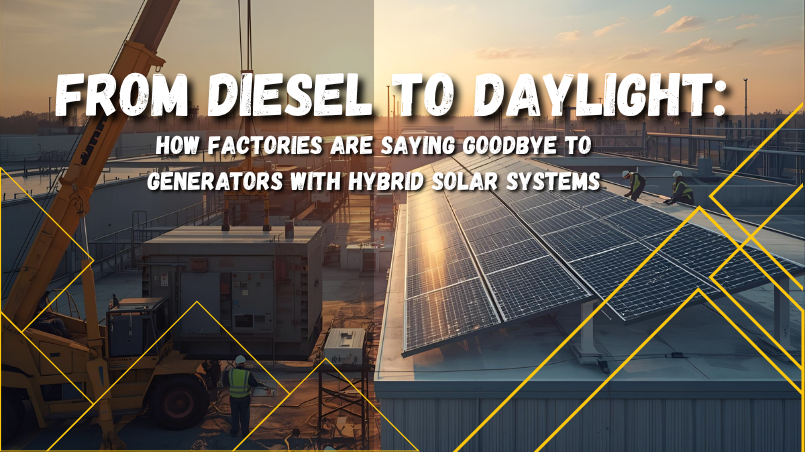
For decades, factories and industrial plants have depended on diesel generators to keep operations running during power cuts. Reliable yet costly and polluting, these machines have long been the backbone of industrial backup power. But times are changing. Across India, factories are now turning to hybrid solar systems, a cleaner, smarter, and more cost-effective alternative that’s reshaping how industries manage energy.
At SunGarner, we’ve seen this transformation firsthand. Businesses that once relied solely on diesel now run efficiently on sunlight, supported by intelligent hybrid systems that combine solar power with grid electricity and energy storage. The result? Lower fuel costs, fewer emissions, and uninterrupted productivity.
The Problem with Diesel Dependency
Diesel generators have served industries well for years, but they come with significant downsides. Rising fuel prices, high maintenance costs, and growing environmental concerns have made them less sustainable in today’s world. A single medium-sized generator can consume hundreds of liters of diesel monthly, producing large amounts of carbon emissions.
Beyond the financial burden, there’s also the question of noise and air pollution. As governments tighten environmental regulations, industries are being encouraged, and in some cases, required to adopt cleaner alternatives.
That’s where hybrid solar systems come in, offering the reliability of a generator but powered by the sun.
How Hybrid Solar Systems Work
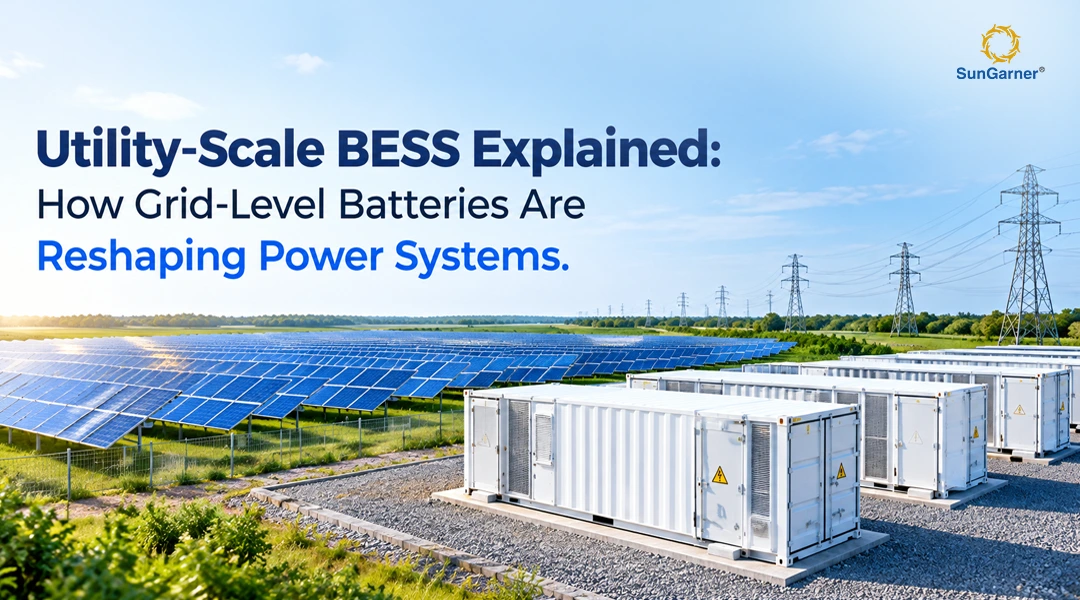
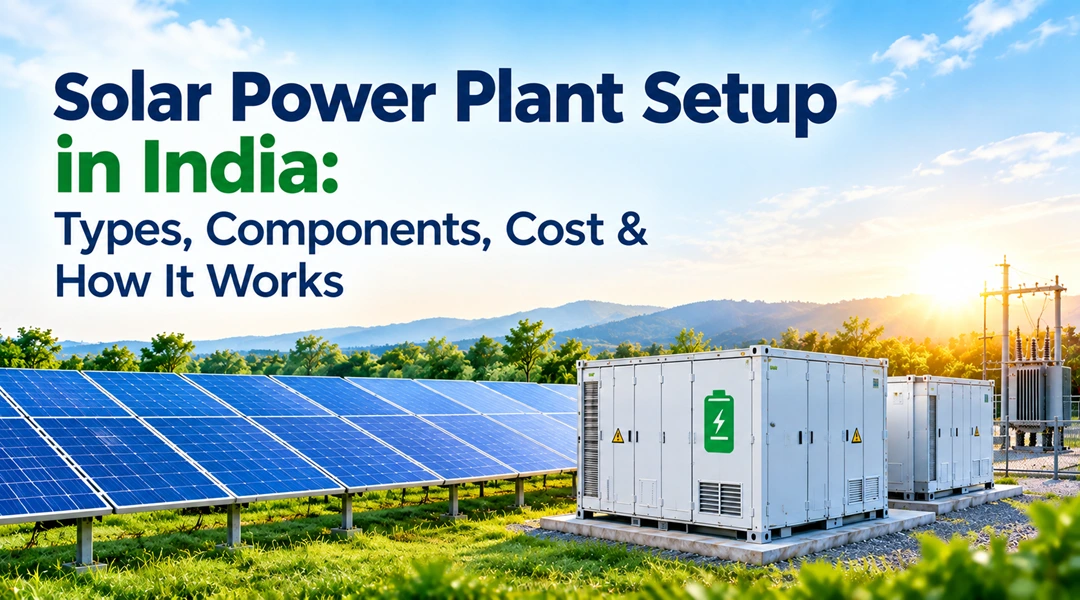
A hybrid solar system integrates solar panels, batteries, and an inverter with the existing power grid. During the day, solar panels capture sunlight and convert it into electricity. This energy powers the factory directly, while any excess gets stored in Battery Energy Storage Systems (BESS) or exported to the grid.
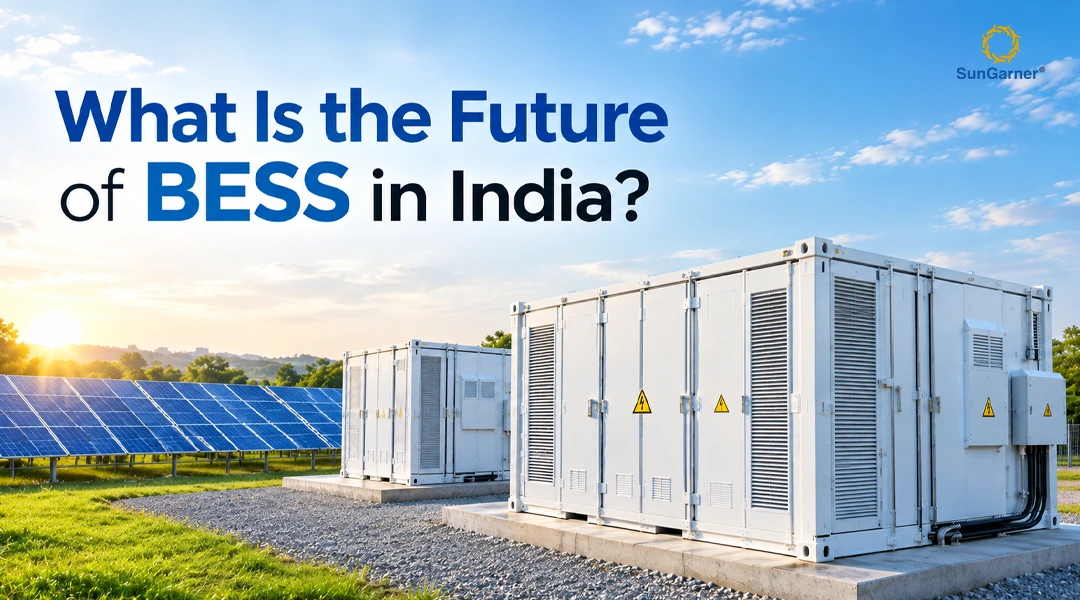
BESS acts as the heart of modern hybrid systems — it stores surplus solar energy efficiently and releases it when required, such as during peak demand or power outages. Advanced lithium-based BESS units also improve grid stability, reduce energy waste, and ensure that factories can run continuously without relying on diesel generators.
When sunlight fades or power demand spikes, the system automatically switches to battery power or grid supply, ensuring an uninterrupted energy flow.
Unlike traditional solar systems that depend solely on sunlight, hybrid setups provide 24/7 power availability. They act as both a renewable energy source and a backup solution without the noise, fuel dependency, or environmental impact of generators.
Why Factories Are Making the Switch
Industrial operations are energy-intensive. Machines, lighting, air conditioning, and automation systems require a stable, high-capacity power supply. With frequent grid fluctuations in many regions, hybrid solar systems offer a perfect balance between cost savings and reliability.
Here’s why more factories are saying goodbye to diesel
1. Reduced Operating Costs: Once installed, solar panels generate electricity for free. By combining solar with grid and battery power, factories drastically cut their fuel bills and overall energy expenses.
2. Energy Independence: Factories no longer need to depend solely on the local grid or diesel supply. Hybrid systems provide autonomy, ensuring that production never stops even during outages.
3. Environmental Responsibility: Switching from diesel to solar significantly reduces carbon emissions. It aligns with India’s sustainability goals and helps industries meet environmental compliance requirements.
4. Low Maintenance, High Reliability: Modern solar systems require minimal upkeep compared to generators, which need frequent oil changes and part replacements.
5. Long-Term Investment: While the upfront cost of solar installation can seem high, the payback period is short. Most factories recover their investment within a few years through fuel savings and reduced maintenance.
SunGarner: Powering India’s Industrial Transformation
At SunGarner, we specialize in designing and installing customized hybrid solar systems for factories, warehouses, and industrial parks. Each project is tailored to match the client’s energy requirements, budget, and infrastructure.
Our solutions combine high-efficiency solar panels, advanced lithium battery systems, and intelligent energy management software. This ensures optimal power distribution, real-time monitoring, and consistent performance year-round.
We believe solar energy isn’t just about saving money, it’s about building a cleaner, more resilient future for Indian industry. SunGarner’s commitment to innovation and reliability has made it a trusted partner for businesses looking to embrace sustainable energy solutions.
A Step Toward a Sustainable Industrial Future
The shift from diesel to solar isn’t just a technological change, it’s a cultural one. Factories adopting hybrid solar systems are setting examples of environmental responsibility while enhancing operational efficiency.
As fuel prices continue to rise and sustainability becomes central to business strategy, the future belongs to clean, renewable power. Hybrid solar systems bridge the gap between conventional and green energy, giving industries the best of both worlds - stability and sustainability.
At SunGarner, we’re proud to help businesses make this transition smoothly and successfully. The journey from diesel to daylight isn’t just about power; it’s about progress.
Frequently Asked Questions (FAQs)
1. What is a hybrid solar system?
Ans: A hybrid solar system combines solar panels, batteries, and grid power to provide continuous electricity. It stores excess energy in batteries and supplies it during low sunlight or grid failures.
2. How is a hybrid solar system better than a diesel generator?
Ans: Hybrid systems are quieter, cleaner, and more cost-effective. They reduce fuel expenses, require less maintenance, and produce zero harmful emissions.
3. Can a hybrid solar system power an entire factory?
Ans: Yes. With proper design and capacity planning, hybrid systems can handle full factory loads or critical sections, depending on energy needs and available space for solar panels.
4. What is the typical payback period for installing a hybrid solar system?
Ans: Most factories recover their investment in 3–5 years through savings on diesel and electricity costs. After that, the energy generated is essentially free.
5. Does SunGarner provide installation and after-sales support?
Ans: Absolutely. SunGarner offers end-to-end solutions, from site assessment and design to installation, monitoring, and long-term maintenance.