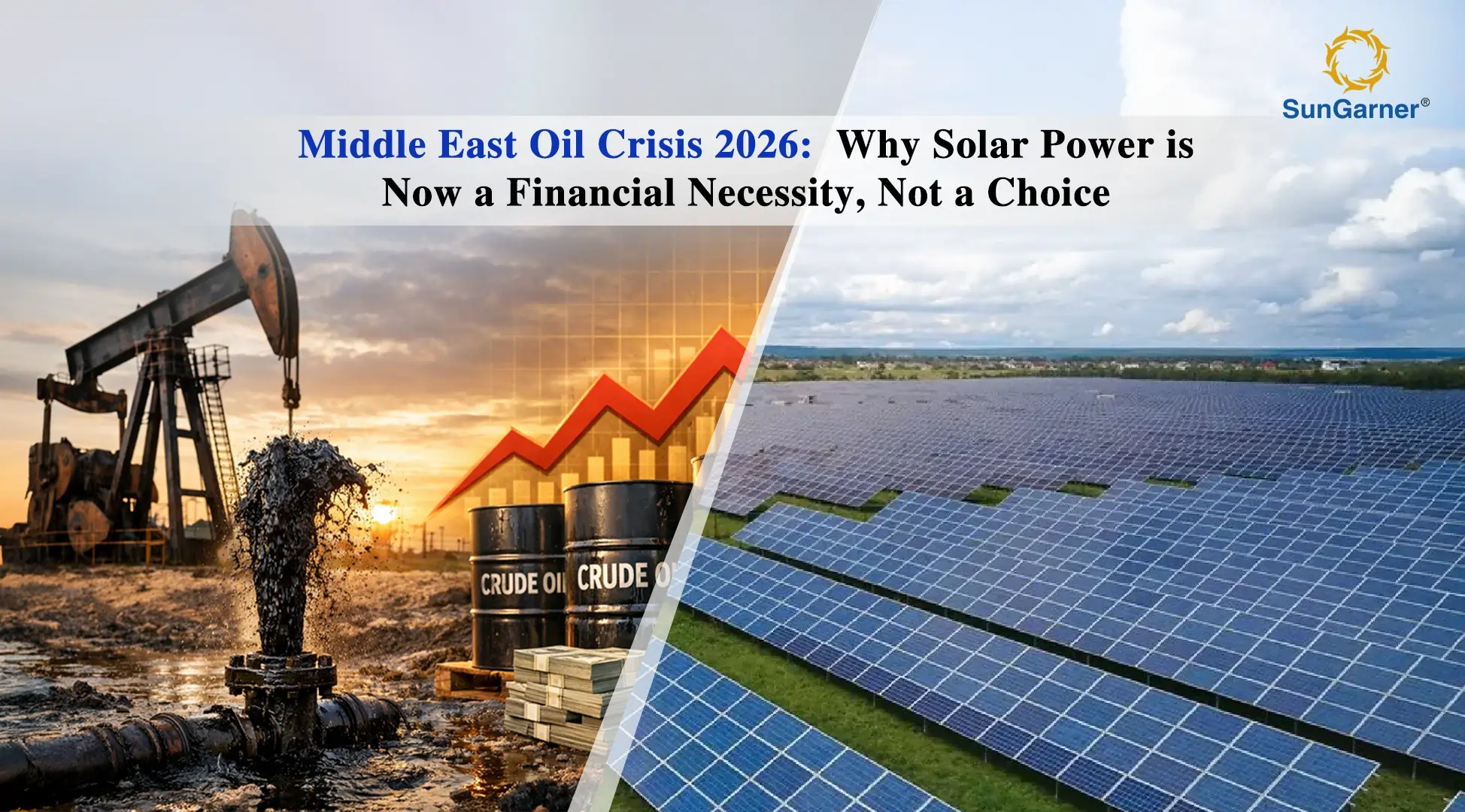
Middle East Oil Crisis 2026 Why Solar Power is Now a Financial Necessity, Not a Choice
The onset of the Fourth Middle East Oil Crisis in 2026 has sent shockwaves across global energy markets. Oil prices are surging, supply chains are tightening, and electricity costs are becoming highly unpredictable.
The onset of the Fourth Middle East Oil Crisis in 2026 has sent shockwaves across global energy markets. Oil prices are surging, supply chains are tightening, and electricity costs are becoming highly unpredictable.
For homeowners and businesses alike, one reality is becoming impossible to ignore:
Traditional energy is no longer reliable—or affordable.
The question is no longer “Should you switch?”
It is now:
How fast can you switch to solar power?
Rising Energy Costs Are Reshaping the Economy
The impact of the energy crisis is already visible across industries and households:
- Rapidly increasing electricity bills
- Rising diesel generator costs
- Frequent power outages
- Unstable grid performance
According to the International Energy Agency, global energy volatility is expected to remain high due to geopolitical tensions and fossil fuel dependency.
In India, commercial electricity tariffs and fuel costs are rising steadily, making long-term planning difficult for businesses.
This is not a temporary disruption—it’s a long-term shift.
Solar Energy in 2026: From Sustainability to Financial Strategy
Solar energy is no longer just about going green—it is about taking control of your energy costs.
With falling Solar Panel cost in India, improved technology, and government support, solar is now one of the most cost-effective investments available.
A modern solar power system allows you to:
- Generate your own electricity
- Reduce dependency on the grid
- Lock in long-term savings
Why Solar Power is the Smartest Investment Right Now
1. Predictable & Low Energy Costs
Unlike fossil fuels, solar power provides stable and predictable pricing.
Once installed, your system can generate electricity for 25+ years, significantly reducing your exposure to rising tariffs.
Most users recover their solar installation cost within 3–5 years, depending on usage and system size.
2. Energy Storage Systems (ESS): Power Anytime
Modern energy storage systems (ESS) allow you to store excess solar energy for later use.
Benefits include:
- Backup during power outages
- Reduced reliance on the grid
- Better energy management
3. Battery Energy Storage System (BESS): Complete Energy Control
A Battery Energy Storage System (BESS) takes your setup to the next level.
It helps you:
- Store large amounts of electricity
- Manage peak load efficiently
- Ensure uninterrupted operations
This is especially valuable for businesses where downtime directly impacts revenue.
4. Complete Home Solar System for Energy Independence
A well-designed home solar system includes:
- Solar panels
- Solar inverters
- Battery storage (ESS / BESS)
- Smart monitoring system
This setup enables:
- Up to 70–90% reduction in electricity bills (depending on usage)
- Reliable backup during outages
- Long-term energy independence
Solar System Cost in India & ROI (2026 Guide)
Understanding the financial side is essential before switching.
Average Rooftop Solar System Cost:
|
System Size |
Ideal For |
Approx Cost |
|
2kW |
Small homes |
₹78,000 – ₹1,00,000 |
|
5kW |
Medium homes |
₹2.5 – ₹3.5 lakh |
|
10kW |
Large homes / businesses |
₹5 – ₹7 lakh |
Prices vary based on components, location, and brand.
ROI Example:
- Monthly savings: ₹5,000 – ₹15,000
- Payback period: 3–5 years
- System life: 25+ years
After payback, electricity generation costs become minimal for decades.
What is Net Metering & Why It Matters
With net metering, you can:
- Export excess electricity to the grid
- Earn credits on your bill
- Maximize your solar ROI
This makes rooftop solar systems even more financially beneficial.
Why Businesses Are Rapidly Switching to Solar
For businesses, energy is one of the biggest operational costs.
Switching to commercial solar solutions helps:
- Reduce operating expenses
- Improve profit margins
- Ensure uninterrupted operations
- Achieve sustainability goals
In 2026, solar is not just a cost-saving tool—it is a strategic advantage.
Why You Shouldn’t Delay Your Solar Investment
Delaying your decision leads to:
- Higher electricity bills
- Increased dependency on unstable grids
- Lost long-term savings opportunities
The earlier you switch, the higher your returns.
The Future: Solar + Storage is the New Standard
The combination of:
- Solar power
- Energy storage systems (ESS)
- Battery Energy Storage Systems (BESS)
is redefining how energy is produced and consumed.
This integrated system ensures:
- Reliability
- Cost savings
- Energy security
- Sustainability
Conclusion: Take Control of Your Energy Future
The Fourth Middle East Oil Crisis has made one thing clear:
Energy independence is no longer optional—it is essential.
By investing in a solar power system with advanced solar inverters and energy storage systems (ESS/BESS), you can:
- Protect yourself from rising costs
- Ensure uninterrupted power supply
- Build a future-proof energy system
Ready to Switch to Solar Power?
Don’t wait for the next price hike.
- Install a high-efficiency home solar system
- Add a Battery Energy Storage System (BESS)
- Maximize savings with smart energy management
Start your solar journey today and take control of your energy future.
Frequently Asked Questions (FAQ)
Q: What is the payback period for solar in India?
A: Typically 3–5 years, depending on system size and electricity usage.
Q: What is the lifespan of a solar power system?
A: Most systems last 25–30 years with minimal maintenance.
Q: Is battery storage necessary?
A: Not mandatory, but ESS/BESS provides backup and improves energy independence.
Q: What is net metering?
A: It allows you to export excess electricity and earn bill credits.
Sources & References
- International Energy Agency
- Ministry of New and Renewable Energy
- BloombergNEF Energy Reports