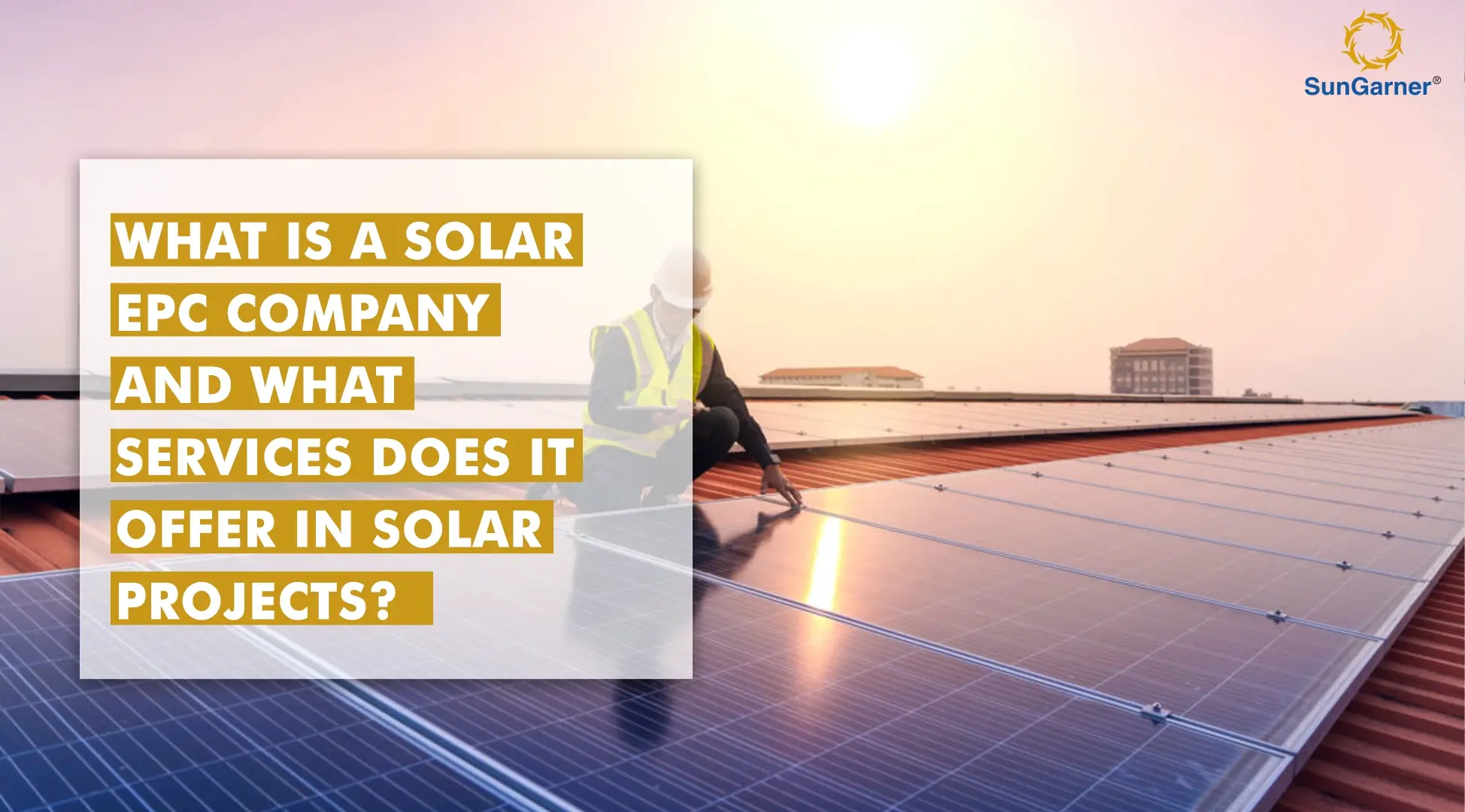
What Is a Solar EPC Company and What Services Does It Offer in Solar Projects?
In the solar industry, EPC stands for Engineering, Procurement, and Construction. A Solar EPC Company is responsible for delivering a solar power project end-to-end, meaning it manages everything from technical design and equipment sourcing to installation, commissioning, and often maintenance......
In the solar industry, EPC stands for Engineering, Procurement, and Construction. A Solar EPC Company is responsible for delivering a solar power project end-to-end, meaning it manages everything from technical design and equipment sourcing to installation, commissioning, and often maintenance.
Instead of coordinating multiple vendors (designer, supplier, installer, electrical contractor), hiring a solar EPC contractor gives you one accountable partner. This reduces delays, minimizes miscommunication, and improves quality because the same company is responsible for performance, safety, and timelines.
Solar EPC work typically follows best practices aligned with MNRE guidelines (India) and relevant technical standards such as IEC and IS codes, depending on project location and compliance requirements.
What Does EPC Mean in Solar Projects?
A solar EPC project includes three major responsibilities:
1) Engineering
Designing the solar system to match your energy needs, site conditions, and expected generation.
2) Procurement
Sourcing and supplying all major equipment such as solar modules, Inverters, mounting structures, cables, and balance-of-system components.
3) Construction
Installing the solar plant, connecting it to the grid, testing it, and commissioning it for operations.
Since all phases are handled under one contract, the EPC contractor ensures smooth coordination between design, material availability, and installation quality.
Core Services Offered by Solar EPC Companies
1. Site Survey and Feasibility Study
Before any design begins, a solar EPC company evaluates whether the project is technically and financially viable. This includes checking:
- available rooftop/land area
- shading and obstruction impact
- solar irradiation levels
- structural strength (especially for rooftop solar)
- grid connectivity and DISCOM requirements
- estimated energy generation and savings
This stage helps prevent poor plant performance caused by wrong site assumptions.
2. Engineering and System Design
Common Engineering Checks
A strong EPC contractor performs critical checks such as:
- shadow analysis to avoid generation losses
- inverter loading ratio (ILR) optimization (DC/AC sizing)
- cable sizing and voltage drop calculations
- earthing and lightning protection design
- structural load assessment for rooftops
- plant layout planning for maximum output and safe maintenance access
Design Deliverables
A professional EPC company provides:
- PV layout drawings
- single line diagram (SLD)
- string configuration plan
- GA (general arrangement) drawings
- structural design drawings
- energy generation estimate and PR projection
3. Procurement of Solar Equipment
Procurement is one of the most important EPC responsibilities because equipment quality directly affects plant performance and warranty reliability.
What EPC Procurement Includes
- solar modules (panels)
- inverters
- mounting structures
- DC/AC cables
- junction boxes and combiner boxes
- AC distribution panels
- earthing material and lightning arresters
- monitoring system (optional)
What “Tier-1 Solar Panels” Actually Means
Many suppliers claim they provide Tier-1 modules, but “Tier-1” is mainly a bankability classification often associated with the Bloomberg Tier-1 list concept, meaning the manufacturer is financially stable and used in large-scale financed projects. It does not automatically mean the panel is the best quality, so technical specifications and warranty terms still matter.
Common Procurement Mistakes to Avoid
- believing fake Tier-1 claims without verification
- warranty mismatch (product warranty vs performance warranty confusion)
- low-quality BOS components (cables, connectors, MC4, fuses)
- ignoring inverter service support availability
- choosing cheaper modules without checking degradation rate
Procurement Checklist
A reliable EPC company ensures:
- correct datasheet matching with design
- manufacturer warranty documents
- serial number traceability
- compliance with MNRE/DISCOM requirements (if applicable)
- quality inspection before dispatch
4. Solar Plant Construction and Installation
Construction is the physical execution stage. A solar EPC contractor manages:
- mounting structure installation
- module installation and string formation
- DC cabling and termination
- inverter installation and AC work
- panel synchronization and protection systems
- safety implementation and work permits
- final grid integration
A good EPC firm follows proper QA/QC processes to ensure the solar plant performs reliably for 25+ years.
5. Testing, Commissioning, and Grid Synchronization
Commissioning Tests
Before handover, EPC teams perform key commissioning checks such as:
- insulation resistance test (IR test)
- polarity checks
- inverter start-up testing
- string testing and IV curve checks (if required)
- earthing resistance testing
- generation verification and performance benchmarking
- grid synchronization approvals (as per DISCOM rules)
Commissioning is critical because even small wiring errors can lead to major long-term energy losses.
6. After-Sales Support, Monitoring, and Maintenance (O&M)
Many solar EPC companies also provide long-term O&M services such as:
- remote monitoring and performance tracking
- preventive maintenance visits
- inverter troubleshooting and replacement coordination
- module cleaning planning
- hotspot detection through thermal inspection
- generation reports and PR monitoring
O&M support is important because solar plants can lose output due to dust buildup, shading changes, loose connections, or inverter faults.
Solar EPC Project Timeline (Typical Duration)
The timeline depends on plant size, approvals, and site complexity.
Rooftop Solar EPC Timeline
- Small rooftop systems: 15–30 days
- Commercial rooftop systems: 30–90 days
Utility-Scale / Ground-Mounted Solar EPC Timeline
- Large MW-scale projects: 3–12 months
Delays usually happen due to approvals, net-metering processes, transformer upgrades, or equipment delivery issues.
Solar EPC Contract Scope (What’s Included vs Excluded)
A solar EPC contract usually includes:
Typically Included
- engineering and design
- supply of modules, inverters, BOS components
- installation and commissioning
- safety and QA/QC procedures
- documentation and handover reports
Sometimes Excluded (Depends on Contract)
- DISCOM charges and net metering fees
- transformer upgrades
- statutory approvals and government charges
- civil work beyond mounting (roof repair, waterproofing)
- extended warranty costs
- long-term O&M beyond a basic period
Always confirm the scope clearly before signing.
Key Documents a Solar EPC Company Provides
A professional EPC contractor should provide:
- final as-built drawings
- warranty certificates for modules and inverters
- commissioning report
- earthing and safety test reports
- system operation manual
- generation estimate and PR calculation sheet
- net metering / grid synchronization documents (if applicable)
These documents are important for compliance, insurance, and future maintenance.
How to Choose the Best Solar EPC Company
When selecting a solar EPC contractor, check the following:
1. Experience and Track Record
Ask for past project photos, plant size details, and client references.
2. Engineering Strength
A strong EPC company should provide detailed designs, not just basic layouts.
3. Quality of Components
Confirm module and inverter brands, warranty terms, and compliance certifications.
4. Transparent Scope and Pricing
Ensure the contract clearly defines what is included and excluded.
5. O&M Support
Choose an EPC company with monitoring and service capability after installation.
6. Safety Standards
Check if the contractor follows proper PPE, rooftop safety, and electrical protection practices.
A cheaper EPC contract can become expensive later if system quality is compromised.
Why Choose a Solar EPC Company?
A solar EPC company offers major benefits such as:
- single-point responsibility for design, procurement, and construction
- lower coordination risk because one team manages all phases
- faster execution due to integrated planning and material availability
- better quality control with standardized engineering and testing
- improved long-term performance through professional commissioning and O&M
For commercial and industrial solar projects, EPC is often the safest and most efficient project delivery model.
Conclusion
A solar EPC company is your complete execution partner for a solar power project. From feasibility studies and detailed engineering to procurement, installation, commissioning, and long-term maintenance, EPC services ensure a smoother project journey and better output reliability.
Whether you are planning a residential rooftop solar system or a large commercial solar plant, choosing the right EPC contractor can directly impact your return on investment, system lifespan, and operational performance.
FAQs About Solar EPC Companies
Q: What is the meaning of EPC in solar?
A: EPC stands for Engineering, Procurement, and Construction, meaning one company handles complete solar project delivery.
Q: What is the difference between a solar EPC company and a solar installer?
A: A solar installer mainly focuses on installation, while a solar EPC company manages design, procurement, construction, commissioning, and often maintenance under one contract.
Q: Does a solar EPC company provide maintenance services?
A: Many EPC companies provide O&M services such as monitoring, preventive maintenance, and inverter servicing, but it depends on the contract.
Q: How long does a solar EPC project take?
A: Typical timelines are 30–90 days for rooftop projects and 3–12 months for utility-scale projects, depending on approvals and site complexity.
Q: What documents should an EPC company provide after installation?
A: They should provide warranties, commissioning reports, as-built drawings, test reports, and grid synchronization documents.